Research

Published work on caste in plain words, read from a Dalit standpoint: what it says, how, and why it matters.

Study · World

A study of South Asian American activism in the summer of 2020: "we reproduce anti-Blackness because we are reproducing caste"

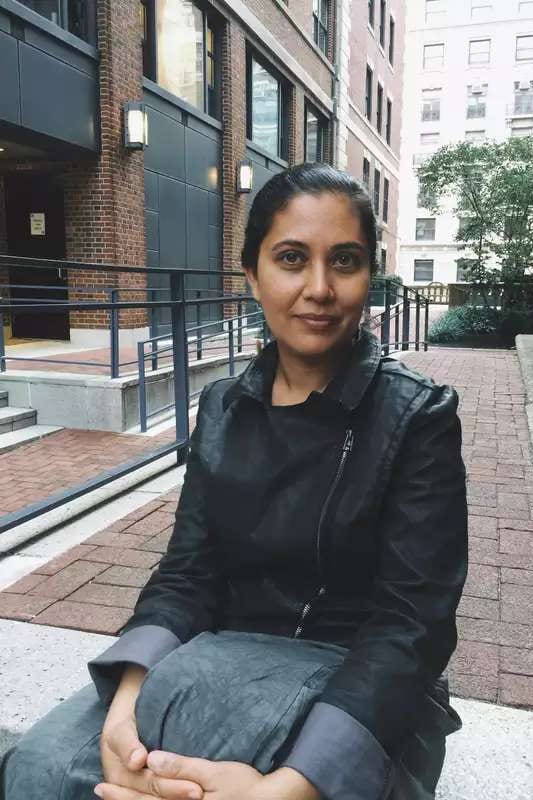
After the police murder of George Floyd, South Asian Americans joined anti-racist organising in numbers not seen before. Maya Bhardwaj's study of that summer argues that the 'allyship' led by caste- and class-privileged Hindu Indian Americans borrowed its model from white anti-racism, treated all South Asians as privileged, and wrote out the working-class, Muslim, Dalit and Bahujan organisers who had worked with Black movements for decades.
Nov 13, 2026

Picks

Book · Caste

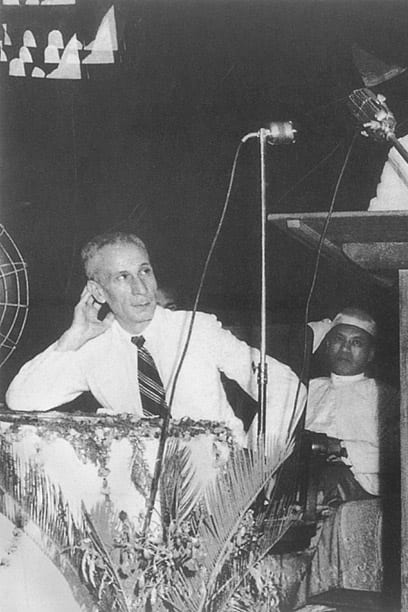
“Caste is a notion”: Ambedkar's Annihilation of Caste, the speech Lahore would not hear

In 1936 B. R. Ambedkar wrote a speech for a Hindu reform group in Lahore. When he would not cut his attack on the scriptures, the group cancelled its conference, so he printed the speech himself. It argues that caste can end only when people stop believing the scriptures that make it sacred.

No person who professes a religion other than those it names “shall be deemed to be a member of a Scheduled Caste”. Christianity and Islam are not named.

The Constitution (Scheduled Castes) Order, 1950, paragraph 3
iSource: Who can be Scheduled Caste? The 1950 religion clause, and where the question stands
STUDY · Oct 26, 2026

Land as the common cause: a study of the Chengara land struggle in Kerala

The political scientist P.M. Joshy traces Dalit landlessness in Kerala from slavery to the 'Kerala Model'. He argues that the Chengara struggle, like Ayyankali's movement a century earlier, built a Dalit identity around land across sub-caste lines, and that both were worn down by sub-caste divisions and by the ruling class, the CPI(M) included.

Kerala's land reform was sold as “the land to the tiller” but was in reality “the land to the tenants”. Dalits were not tenants, so they were left out.

P.M. Joshy, political scientist, on Kerala's land reform
iSource: Land as the common cause: a study of the Chengara land struggle in Kerala

Dalit refusal of the broom marks it as a political object

Pallavi Gupta
iSource: Who keeps India's railway stations clean? A study of the broom, caste and Dalit women in Hyderabad, Broomscapes, 2022, p. 248

A Dalit still remains a Dalit and faces social prejudice even if they are able to climb up the class ladder

Debayudh Chatterjee
iSource: “A Dalit still remains a Dalit”: a study of the communist movement and the caste question, 1926–2016, Class versus Caste, 2022, p. 62

My cinematic journey was influenced by Ambedkar. Without reading him, I would not have become a filmmaker

Pa. Ranjith
iSource: Not “anti-caste cinema” but Dalit cinema: a study of Pa. Ranjith and the new Tamil films, quoted in Bharatvaraj, 2025, p. 169

The Savarna patriarchal lens behind these films cannot be taken into abeyance

Bhagya Shree Nadamala and Priyanka Tripathi, on Narappa and Love Story
iSource: Sundaramma and Manemma: a study of Dalit women in two Telugu films of 2021

these acts of allyship focused more on the identity of being supportive and woke rather than on ways to fundamentally attack white supremacy

Maya Bhardwaj
iSource: A study of South Asian American activism in the summer of 2020: "we reproduce anti-Blackness because we are reproducing caste", the study's author · Interface: a journal for and about social movements 13(2), December 2021, p. 240

kasel tyachi jamin, nasel tyache kaay? (“Land to the tiller, but what about landless labour?”)

Dalit participants in the gairan (grazing land) movement in Marathwada
iSource: “Land to the tiller, but what about landless labour?”: Ambedkar on caste and land, read by Awanish Kumar, 1950s and 1960s, as quoted by Kumar · Review of Agrarian Studies 10(1), 2020, p. 53